
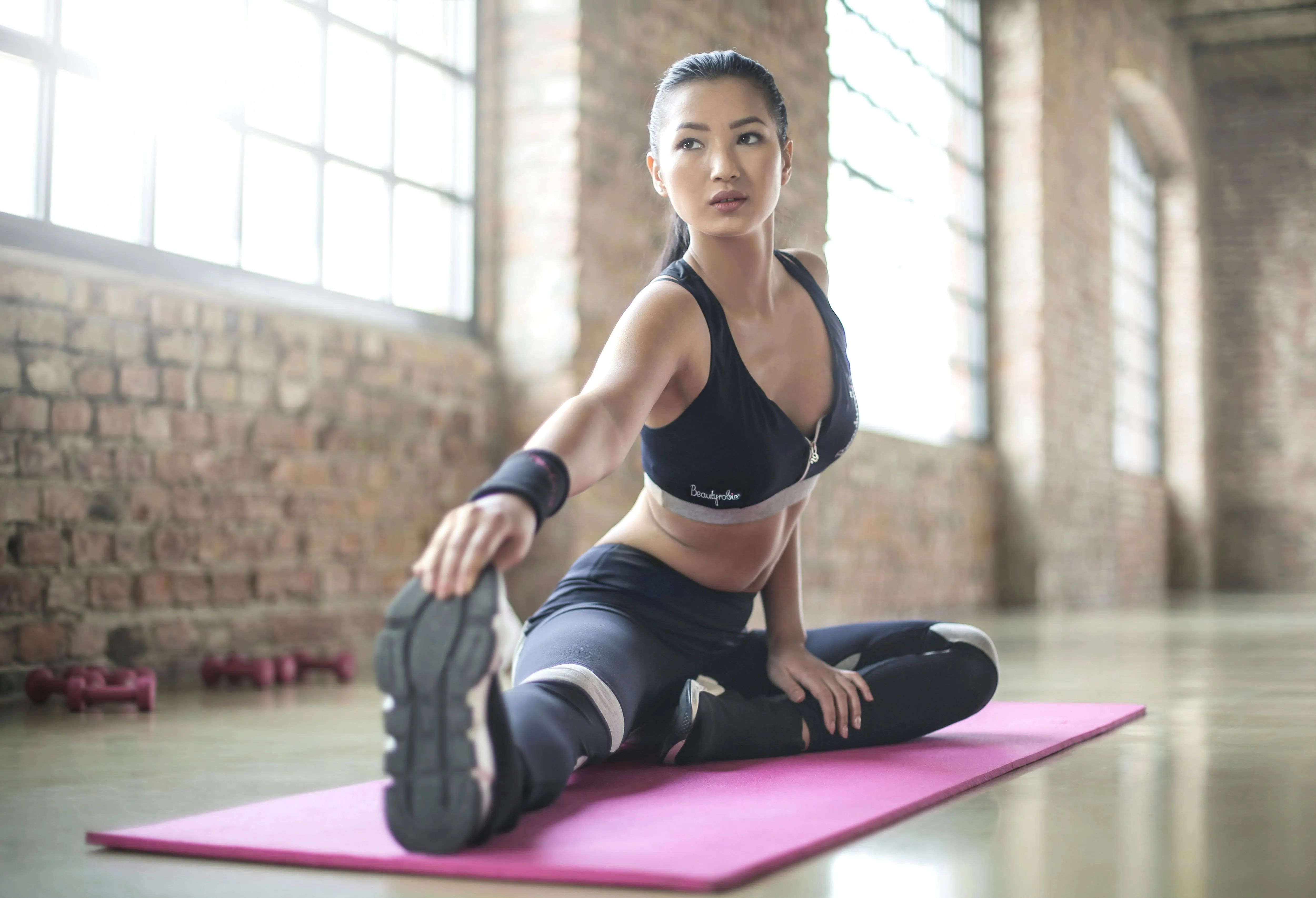
or ‘heading‘.
Functional Fitness at Home: Boost Strength & Mobility
Did you know that studies show sedentary behavior is linked to an increased risk of chronic diseases like heart disease and type 2 diabetes? It's a sobering statistic, and one that highlights the importance of incorporating movement into our daily lives. Forget the gym membership you never use! Today, we're diving into functional fitness at home, a practical way to build strength and mobility right in your living room. These aren't your grandma's arm circles; these are movements designed to mimic and improve everyday activities, making life easier and more enjoyable. Get ready to discover how to create a powerful functional fitness workouts at home routine that fits into your busy schedule and keeps you feeling your best.
Why This Workout Matters
Functional fitness isn't just another fitness fad; it's a philosophy centered on training your body for real-world activities. Instead of isolating muscles with machines, functional exercises engage multiple muscle groups simultaneously, improving coordination, balance, and overall strength. According to the American Council on Exercise (ACE), functional fitness at home reduces the risk of injury by strengthening stabilizing muscles. This is especially crucial as we age, helping maintain independence and quality of life. Think about it: carrying groceries, lifting a child, or even reaching for something on a high shelf all require functional strength. By focusing on these types of movements, you're not just building muscle; you're building a more resilient and capable body. Moreover, functional fitness workouts at home can be easily adapted to any fitness level, making it an accessible and effective option for everyone.
List of Exercises
Here’s a sample routine to get you started. Remember to consult your doctor before starting any new exercise program.
Bodyweight Squats
- Description: Stand with your feet shoulder-width apart, toes slightly pointed out. Lower your hips as if you're sitting in a chair, keeping your back straight and chest up. Ensure your knees track in line with your toes. Push through your heels to return to the starting position.
- Muscle Groups Targeted: Quads, glutes, hamstrings, and core.
- Modifications: If you’re just starting out, you can squat to a chair as a guide. Alternatively, for a more advanced modification, try pistol squats (single-leg squats).
Push-Ups
- Description: Start in a plank position with your hands shoulder-width apart. Lower your body until your chest nearly touches the floor, keeping your body in a straight line. Push back up to the starting position.
- Muscle Groups Targeted: Chest, shoulders, triceps, and core.
- Modifications: Perform push-ups against a wall or on your knees to make it easier. For a challenge, try incline push-ups with your feet elevated.
Lunges
- Description: Step forward with one leg, bending both knees to 90 degrees. Keep your front knee directly over your ankle and your back knee close to the ground. Push off with your front leg to return to the starting position. Alternate legs.
- Muscle Groups Targeted: Quads, glutes, hamstrings, and core.
- Modifications: If balance is an issue, hold onto a chair for support. Increase the difficulty by holding dumbbells or performing walking lunges.
Plank
- Description: Start in a push-up position, but rest on your forearms instead of your hands. Keep your body in a straight line from head to heels, engaging your core. Hold the position for as long as you can maintain good form.
- Muscle Groups Targeted: Core, shoulders, and back.
- Modifications: If a full plank is too difficult, start with a plank on your knees. Increase the challenge by performing plank jacks or alternating shoulder taps.
Glute Bridges
- Description: Lie on your back with your knees bent and feet flat on the floor. Squeeze your glutes and lift your hips off the ground until your body forms a straight line from your shoulders to your knees. Hold the position for a second and then lower back down.
- Muscle Groups Targeted: Glutes, hamstrings, and core.
- Modifications: To make it easier, keep your arms at your sides. To increase the difficulty, perform single-leg glute bridges or add a resistance band around your thighs.
Common Mistakes to Avoid
Even with simple exercises, form is key. One common mistake is arching your back during squats, which can lead to lower back pain. Remember to engage your core and maintain a neutral spine. With push-ups, many people let their hips sag, also compromising core engagement and proper form. Focus on keeping your body a straight line. During lunges, ensure your front knee stays behind your toes to prevent knee strain. For planks, avoid letting your hips sag or rise too high. Maintain a straight line and focus on consistent core engagement. By consciously avoiding these errors, you'll maximize the effectiveness of your workouts and minimize the risk of injury when doing functional fitness at home.
Tips for Success
- Warm-up is Crucial: Before starting any workout, spend 5-10 minutes warming up with light cardio and dynamic stretches. This prepares your muscles for exercise and reduces the risk of injury. Think arm circles, leg swings, and torso twists.
- Focus on Proper Posture: Good posture not only improves the effectiveness of your exercises but also helps prevent pain and discomfort in your daily life. Stand tall, engage your core, and maintain a neutral spine.
- Rest and Recovery: Allow your muscles time to recover between workouts. Aim for at least one rest day per week. You can also incorporate active recovery activities like walking or yoga to promote blood flow and reduce muscle soreness.
- Listen to Your Body: Don't push yourself too hard, especially when you're first starting out. Pay attention to any pain or discomfort and modify exercises as needed.
- Stay Hydrated: Drink plenty of water throughout the day, especially before, during, and after your workouts.
Healthy Lifestyle Integration
These exercises can easily be integrated into a weekly routine. Aim for 2-3 sessions per week, allowing for rest days in between. Incorporate other activities like walking, jogging, or cycling into your routine for a well-rounded fitness plan. These exercises support broader wellness goals by improving strength, flexibility, cardiovascular health, and even promoting stress relief. They can also aid in weight loss when combined with a healthy diet. Remember, consistency is key to seeing results.
Conclusion
Incorporating functional fitness at home is a smart and effective way to boost your strength, mobility, and overall well-being. By focusing on movements that mimic everyday activities, you'll build a more resilient and capable body. So, ditch the excuses and start incorporating these exercises into your routine today! You'll be amazed at how much better you feel. Share this post with your friends and family and encourage them to join you on your fitness journey! Let's get moving together!
FAQs
Do I need equipment?
No, you don't need any equipment to get started with functional fitness at home. All the exercises listed above can be performed using just your body weight or you can check out some functional fitness workouts at home . As you progress, you can add resistance bands or dumbbells to increase the challenge.
How often should I do these exercises?
Aim for 2-3 sessions per week, with rest days in between. Listen to your body and adjust the frequency based on your fitness level and recovery needs.
Can I do these exercises if I have injuries?
It's always best to consult with your doctor or a physical therapist before starting any new exercise program, especially if you have any existing injuries. They can help you modify exercises to suit your individual needs and limitations.
How long should each workout last?
Start with 20-30 minute sessions and gradually increase the duration as you get fitter.
When will I see results?
With consistent effort, you can expect to see improvements in strength, mobility, and overall fitness within a few weeks. Remember, consistency is key!

Comments
Post a Comment