
Functional Fitness at Home: Boost Strength, Mobility & Energy Without a Gym
Did you know that more than 60% of adults don't meet the recommended amount of physical activity each week? This isn't just about hitting the gym; it's about incorporating movement that matters into your daily life. Forget grueling treadmill sessions and complicated machines. We're diving into a different world today: the powerful, practical world of Functional fitness at home. This isn't just exercise; it's about building a body that's ready for anything life throws your way, all from the comfort of your own home. Are you ready to ditch the gym membership and embrace a more effective, accessible, and sustainable path to fitness?
Why This Workout Matters
Functional fitness focuses on exercises that mimic everyday movements. Think squatting to pick up groceries, reaching for a top shelf, or twisting to look behind you while driving. Unlike isolated exercises that target individual muscles, functional fitness engages multiple muscle groups simultaneously, improving your overall strength, balance, coordination, and flexibility. According to the American Council on Exercise (ACE), functional training can significantly improve your quality of life by making daily tasks easier and reducing the risk of injuries. This is especially crucial as we age and our bodies naturally lose strength and mobility. Embracing Functional fitness exercises for beginners at home is an investment in your long-term health and well-being. Beyond the practical benefits, functional fitness can also boost your energy levels, improve your posture, and enhance your psychological well-being. It's a holistic approach to fitness that connects your mind and body, making you feel stronger, more confident, and more capable in every aspect of your life.
List of Exercises
Here are some foundational functional fitness exercises you can do at home:
Squats
Description: Stand with your feet shoulder-width apart, chest up, and core engaged. Lower your hips as if sitting in a chair, keeping your back straight and your knees behind your toes. Push through your heels to return to the starting position.
Muscle Groups Targeted: Quadriceps, hamstrings, glutes, core
Modifications: For beginners, try box squats, sitting on a chair or bench to control your depth. For a challenge, add a dumbbell or kettlebell.
Push-Ups
Description: Start in a plank position with your hands slightly wider than shoulder-width apart. Lower your chest towards the floor, keeping your body in a straight line. Push back up to the starting position, engaging your chest, triceps, and core.
Muscle Groups Targeted: Chest, triceps, shoulders, core
Modifications: Perform push-ups against a wall, on your knees, or with your hands elevated on a sturdy surface to decrease the difficulty. For a challenge, try decline push-ups with your feet elevated.
Lunges
Description: Stand tall with your feet hip-width apart. Step forward with one leg, lowering your body until both knees are bent at 90-degree angles. Ensure your front knee stays behind your toes. Push off with your front foot to return to the starting position and repeat on the other side.
Muscle Groups Targeted: Quadriceps, hamstrings, glutes, core
Modifications: Hold onto a chair or wall for balance. Shorten your stride to reduce the strain on your knees. For a challenge, add dumbbells or perform walking lunges.
Plank
Description: Start in a plank position with your forearms on the ground and your body in a straight line from head to heels. Engage your core, glutes, and legs to maintain a neutral spine. Hold the position for as long as you can maintain proper form.
Muscle Groups Targeted: Core, shoulders, back, glutes, legs
Modifications: Perform plank on your knees or against a wall to decrease the difficulty. For a challenge, try lifting one arm or leg at a time.
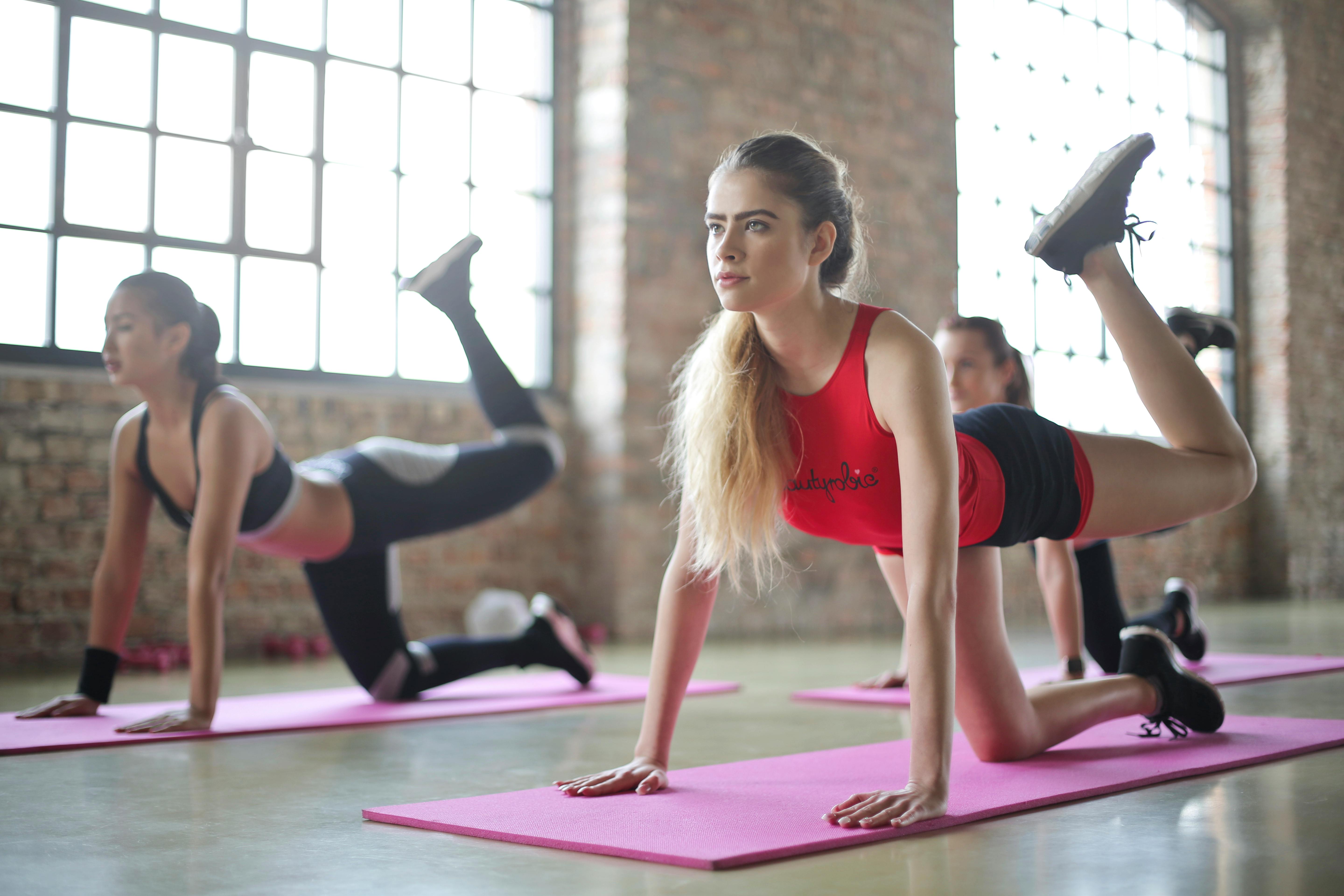
Bird Dog
Description: Start on your hands and knees, with your hands directly under your shoulders and your knees directly under your hips. Engage your core and simultaneously extend one arm forward and the opposite leg back, keeping your body in a straight line. Hold for a second, then slowly return to the starting position and repeat on the other side. Focus on maintaining a straight back and level hips throughout the exercise.
Muscle Groups Targeted: Core, back, glutes, shoulders
Modifications: If balancing is difficult, focus on extending either the arm or leg separately before combining the movements. You can also perform this exercise in front of a mirror to ensure proper form.
Common Mistakes to Avoid
- Poor Form: Proper form is crucial to prevent injuries and maximize results. Focus on quality over quantity. Watch videos, use a mirror to check your posture, or ask a fitness professional for guidance.
- Neglecting Warm-Up and Cool-Down: Skipping warm-up and cool-down can increase the risk of muscle strains and soreness. Always warm up your muscles before exercising and cool down with stretching afterward.
- Overdoing It Too Soon: Gradually increase the intensity and duration of your workouts. Starting too strong can lead to injuries and burnout.
- Holding Your Breath: Breathe naturally throughout each exercise. Holding your breath can increase blood pressure and reduce oxygen flow to your muscles.
- Ignoring Pain: Pain is a signal that something is wrong. Don't push through it. Stop the exercise and consult a healthcare professional if the pain persists.
Tips for Success
- Warm-Up: Begin with 5-10 minutes of light cardio, such as jumping jacks, high knees, or arm circles, to prepare your muscles for exercise. Dynamic stretching, like leg swings and torso twists, is also beneficial.
- Posture: Maintain correct posture throughout each exercise. Engage your core, keep your back straight, and avoid rounding your shoulders.
- Rest: Allow your muscles to recover between sets and workouts. Aim for at least one rest day per week.
- Progression: Gradually increase the difficulty of your exercises as you get stronger. Add reps, sets, or weight to challenge your muscles and promote continued growth.
- Focus: Concentrate on engaging the correct muscle groups during each exercise. Avoid distractions and maintain a mind-muscle connection.
- Stay Hydrated: Drink plenty of water before, during, and after your workouts to stay hydrated and prevent muscle cramps.
- Listen to Your Body: Pay attention to your body's signals and adjust your workout accordingly. Don't push yourself too hard, especially when you're just starting out.
Healthy Lifestyle Integration
Integrating these functional fitness exercises into your weekly routine is easier than you think. Aim for at least 30 minutes of moderate-intensity exercise most days of the week. You can break it up into smaller chunks, such as 10-minute sessions throughout the day. Here’s how you can fit these exercises into your life:
- Morning Routine: Start your day with a quick 15-minute workout consisting of squats, push-ups, and planks to boost your energy levels and improve your mood.
- Lunch Break: Squeeze in a 20-minute lunge and Bird Dog session during your lunch break to combat sedentary habits and improve your posture.
- Evening Routine: Unwind after a long day with a set of yoga-inspired stretches to ease tension and promote relaxation.
- Weekend Warriors: Dedicate one or two days per week to longer functional fitness workouts, incorporating variations and progressions to challenge your body.
These exercises can also support broader wellness goals, such as weight loss, flexibility, and stress relief. Combine functional fitness with a healthy diet and mindful lifestyle practices for optimal results.
Conclusion
Functional fitness at home is a powerful way to boost your strength, mobility, and energy without the need for a gym. By focusing on exercises that mimic everyday movements, you can improve your overall fitness and enhance your quality of life. Try incorporating these exercises into your daily routine and experience the transformative benefits for yourself. Share this post with your friends and family to empower them to embrace a healthier, more functional lifestyle! Explore related workouts on EnergizeMe.Store to further enhance your fitness journey.
FAQs
Do I need equipment for these exercises?
No, most of these exercises can be done with just your body weight. However, you can add dumbbells, resistance bands, or other equipment to increase the intensity and challenge.
How often should I do these exercises?
Aim for at least three times per week. Listen to your body and adjust the frequency and intensity based on your fitness level and recovery rate.
Can I modify these exercises if I have injuries or limitations?
Yes, each exercise has modifications to accommodate different fitness levels and physical limitations. Consult a healthcare professional or certified personal trainer for personalized recommendations.
How long will it take to see results?
Results vary depending on your consistency, intensity, and other factors. However, you can expect to see improvements in your strength, mobility, and energy levels within a few weeks of consistent training.
Are these exercises safe for pregnant women?
Pregnant women should consult with their healthcare provider before starting any new exercise program. Some of these exercises may need to be modified or avoided during pregnancy.

Comments
Post a Comment